01 — Brand work
Turning a point of view into hijinx.studio
The studio's own brand & site, created with Claude Design and Claude Code and built without a designer or an engineer.
the work
In March 2026, I first used Claude Code to build a hijinx holding page in about a day as a soft launch starting point. By June, the positioning was settled and the site needed to carry the brand on its own.
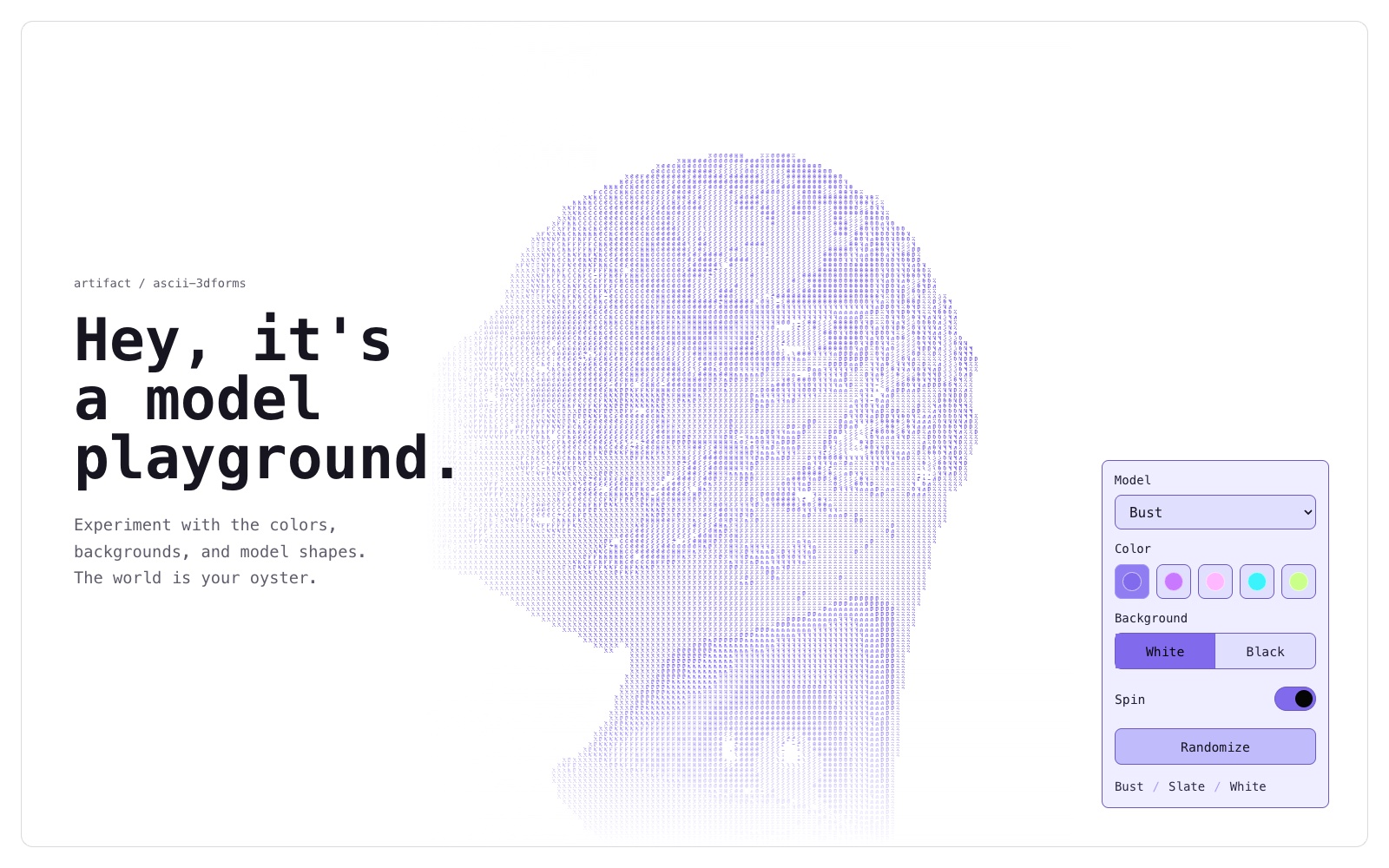
The visual language actually began outside the tools — it included a purple I kept returning to, a palette from a design book in a museum gift shop, and classical forms rendered as terminal ASCII. I worked brand ideas through with Claude, and Claude Design turned them into a system of components and page patterns.
Claude Code built the site from that system. The hero is the clearest expression of the brand, a custom WebGL2 renderer written from scratch that layers the generated marble bust with its ASCII interpretation. AI produced options, wrote code, and ran critique passes, but I made the final calls. Every page went through my own review for pacing, hierarchy, restraint, and the final call on whether it felt like hijinx.
context
hijinx, internal
engagement
Brand system and website build
role
Strategy, creative direction, content, and build direction
timeline
March to July 2026
stack
Claude Design, Claude Code, Next.js, Sanity, Vercel
From the talk
I told this story at a summit for Her Frontier in September. This excerpt covers my thoughts on final reviews, and the critical decisions that AI can't make for you.
The system
The reference: a palette from a design book
The design system in Claude Design
The skill: hijinx-design
Out of the website build work came an entire brand system, including a reusable skill file. hijinx-design holds the colors and type, the components, what the brand refuses, and every design decision added since. All of my decks, PDFs, new website pages, and any other digital builds come from the same foundation, so each new brief can focus on what that piece needs to accomplish.
The build